Best Organic Coffee Brands in 2022
What is the deal with this organic thing? It kind of feels like companies would try to sell us organic socks if they thought we’d buy them for longer than 30 seconds. When it’s a seal slapped on food that we’re putting in our bodies, though, the need for concrete answers solidifies.
Organic food has different standards worldwide. The European Commission (EC) and the United States Department of Agriculture (USDA) oversee varying standards, but organic food has the same general goals no matter where you go. Cycling resources and promoting ecological balances are the top two concerns, as well as conserving biodiversity.
When it comes to choosing coffee, opting for an organic brand feels like a good choice — not only are you free of any synthetic pesticides, but you can feel pretty good about your choice knowing that the workers who picked your beloved coffee fruit aren’t exposed to the toxins, either.
It’s a win-win. With that in mind, we’ll chat about the best organic coffee brands in 2022 and see just how much pleasure we can derive from that morning cup of joe. But, first, let’s understand what we’re talking about.
What is Organic Coffee?
To earn that coveted organic seal, dispensers must pass a number of requirements, including inspections, to gain their certifications. It may surprise you how far out these requirements go.
For that little USDA organic label, the plots where the coffee is grown must be synthetic-pesticide-free for no less than three years. Natural pesticides can still be used on the crops, however.
Organic coffee beans must also be roasted in entirely separate roasters much like how entire factories must be nut-free to label their product as safe for those with allergies. There’s also a thorough cleaning process involved to retain the organic status.
To be honest, the connection between “organic” and “healthier” is tenuous. There are varying opinions (just like the regulations) about whether there are health or taste benefits, mostly because science can’t give a definitive yay or nay on the matter, so I’m not going to force-feed you any of that stuff.
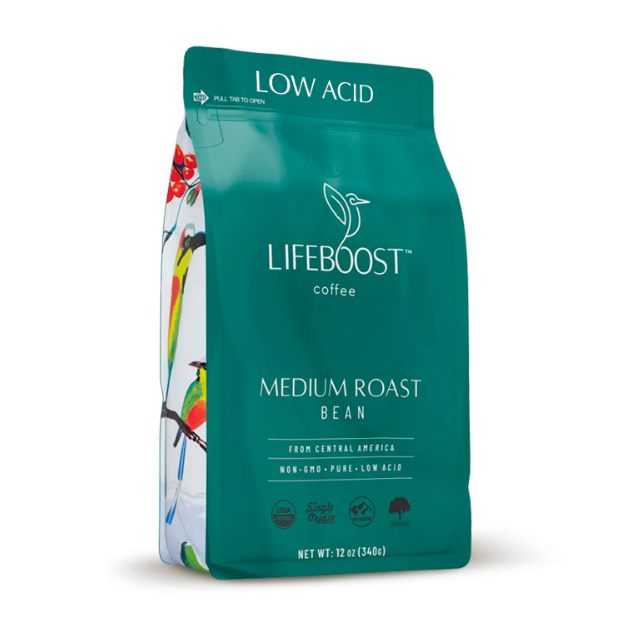
1. Lifeboost Coffee
Origin: Nicaragua | Roast: Medium
Lifeboost Coffee is produced on a small, six-acre farm in a nationally-protected area of Nicaragua. They produce what is some of the purest and most flavorful coffee available on the market.
It’s grown on virgin soil on the top of a mountain, where workers are paid a fair wage to handpick the beans. The coffee is also grown in the shade. Coffee grows more naturally in the shade, and yet only about 2% of coffee worldwide is grown in the shade.
This is because it takes longer to grow – meaning less room for profits. However, it’s the superior way to grow coffee which is exactly why Lifeboost does it this way. When grown in the shade, the beans are able to produce more natural sugars.
This creates a rich, flavorful coffee with delicious hints of caramel. Along with producing the amazing flavor, growing it in the shade is also better for the environment – another thing Lifeboost is extremely passionate about.
Once grown and picked, the beans are then fermented for exactly 26 hours. This allows the skin to be removed gently with no damage done to the coffee bean. The beans are then hand-washed in spring water and sun-dried to exactly 11.5% moisture content.
2. Death Wish Coffee
Origin: India and Peru | Roast: Dark
Death Wish Coffee is somewhat self-explanatory – those who drink it might just have a death wish! The coffee is aptly named for its high caffeine content and extreme strength. It’s not for the weak of heart and is desired by those who want a giant surge of energy to either get or keep them going.
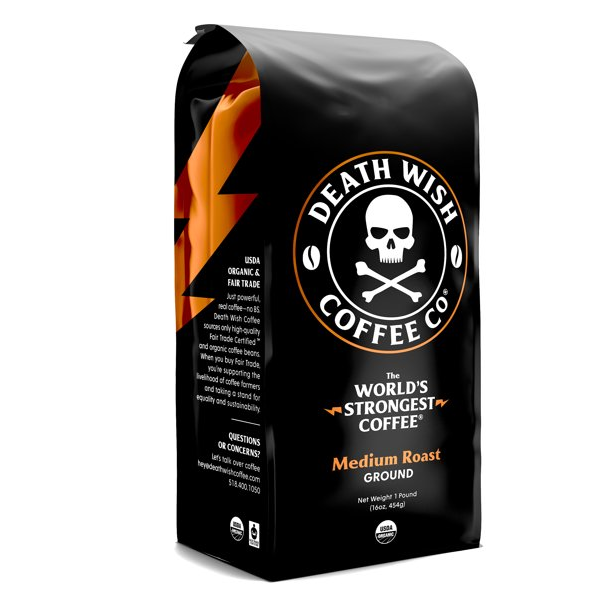
The blend boasts an insane 60mg of caffeine per ounce. While this will certainly give you the energy you’re after, it is a quantity that can be dangerous if you have too much. If that doesn’t alert you to the strength of this coffee, then nothing will.
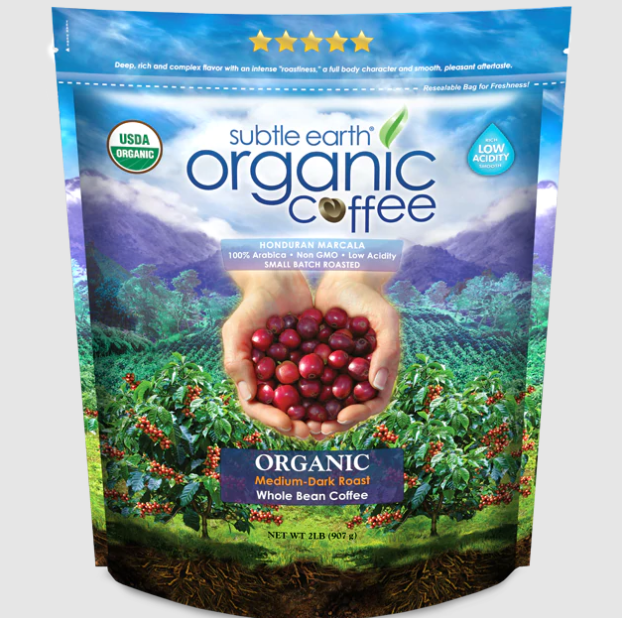
3. Subtle earth organic coffee
This dark roast is full of honey and chocolate notes and is a “medium-dark” meaning it’s on the lower end of the dark roast spectrum, so
it is enjoyed by many coffee lovers. I love that they use natural coffee compost and plant peppers as their pest control,
so they are working hard to keep their coffee away from chemicals.
4. Mayorga organics cafe
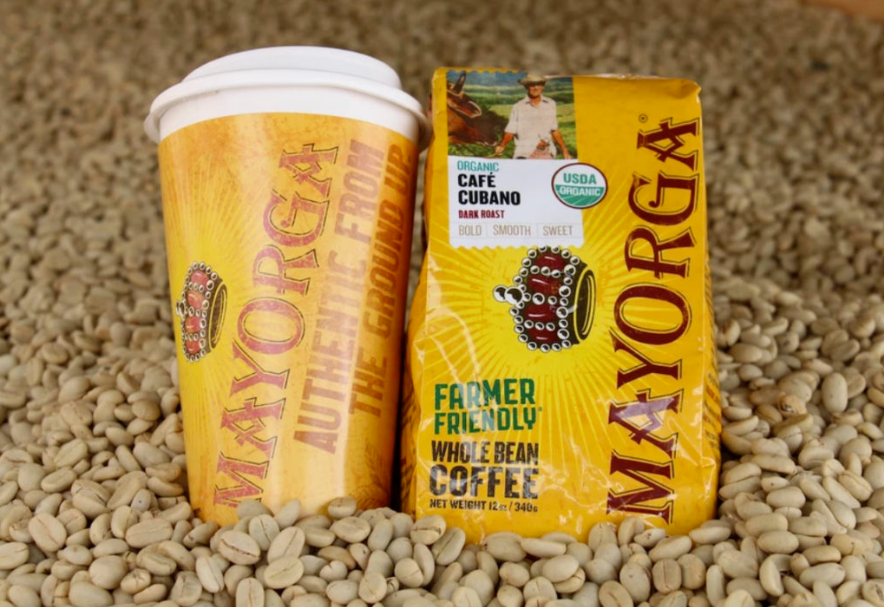
This light roast organic coffee has vanilla and ends with smoky hints.
I love that they slow roast in small batches to ensure you are getting the same flavor time and time again. Dark roasts are warm and comforting which I think the vanilla also lends itself to.
What to Look for in Organic Coffee
Type of Grind
Gourmet coffee is often available in different grinds suited for different brewing methods. Coarse grinds are best for cold brews and french presses; medium grinds are more appropriate for coffee machines and pour-overs, and fine grinds are best for espresso. While many of the coffee brands on this roundup have a variety of grind options, purchasing the whole beans will allow you to grind to your preferred consistency while retaining full freshness.
Is all organic coffee shade-grown?
Not exactly. Just because it’s certified organic doesn’t necessarily mean it was shade-grown. Traditionally, coffee was grown in all or part shade, but as the demand for coffee increased, forests were cleared for full sun farms, which have a higher yield. However, this has resulted in some habitat loss. Some producers now seek shade-grown certification, which indicates coffee is produced on farms that protect habitats for wildlife.
Is Starbucks coffee organic?
Not all Starbucks coffee is organic, but they do produce organic coffees. Look for the USDA-certified organic seal.
Is organic coffee better for the environment?
Certified organic coffee is better for the environment because it has been verified that the product has followed a stringent supply chain management process. The USDA-certified organic standards cover everything from soil health to organic pest management, including bans on the use of most synthetic fertilizers and pesticides. In addition, the plants must be grown on soil that had no prohibited substances applied for three years prior to harvest, and each farm must be inspected annually.