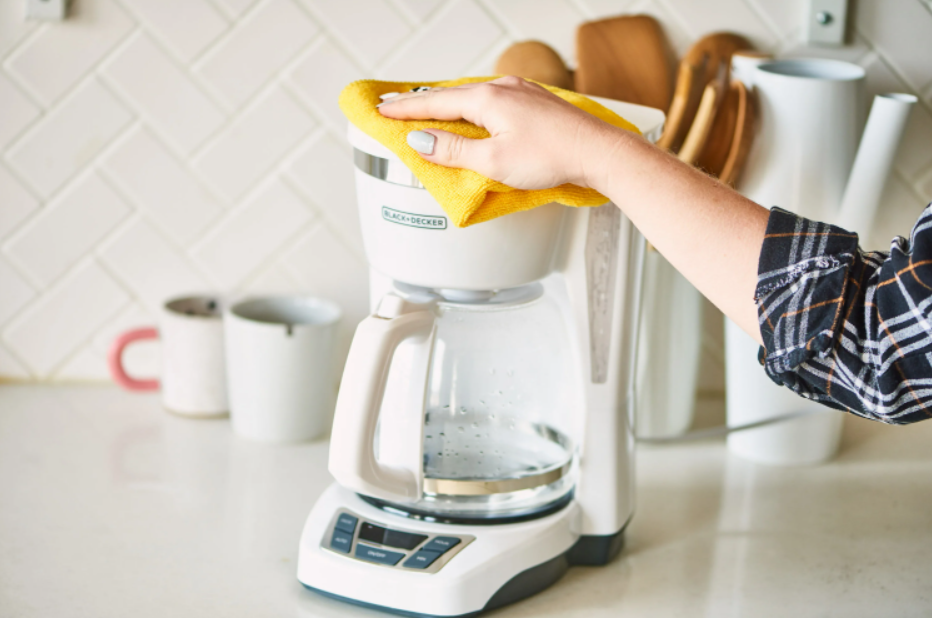
How to clean your coffee maker
How often do you clean the coffee maker?
You should clean your coffee maker after every use, removing the grounds and cleaning the brew basket, lid, and carafe. The deeper cleaning of descaling to remove mineral deposits should be done at least every three months.

If your home has hard water (water with heavy mineral content), or if you tend to fill the water reservoir of your coffee maker from a rinsed carafe (not washed), the residue may build up more quickly. In this case, a monthly cleaning is recommended.
Some coffee makers have an audible or visible cleaning signal and that usually precedes a forced downtime. You can avoid downtime by being proactive with maintenance. Other brewers have a cleaning cycle setup, which is usually detailed in the manual. Always follow the manufacturer’s detailed instructions for cleaning.
How to clean coffee maker with soap and water.
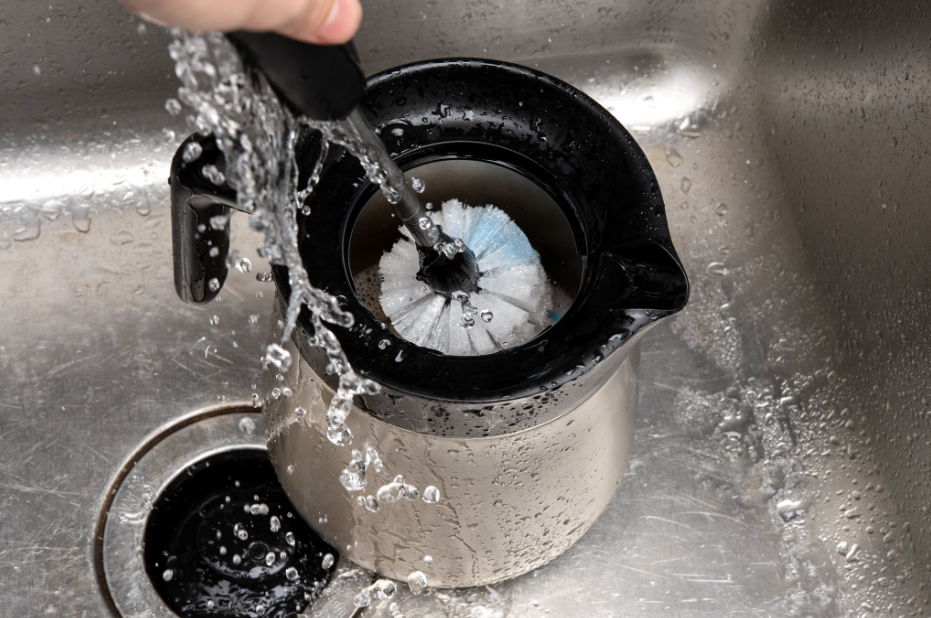
1. Remove the brew basket and filter.
After each use, remove the wine carton and discard the grounds and any disposable paper filters.
2. Run hot water.
Partially fill your sink or appropriate container with warm water.
3. Add soap.
Add dishwashing liquid, specifically a brand designed to extract oil.
4. Clean brewery and permanent filters.
Keep a bottle of wine and, if using, a permanent filter in soapy water. Wash with a sponge or soft cloth to remove coffee grounds and oil residue.
5. Clean Cafe.
Discard the remaining coffee and wash the cafe in hot water. Add a little warm soapy water and clean the cafe with a sponge brush.
6. Rinse with warm water.
Wash the wine cellar, permanent filter, and cafe with warm water. Wipe with a soft cloth and set to dry.
7. Clean the coffee maker.
Dip a soft cloth or paper towel into the soapy water and clean the inner lid, outer lid, and drinking area to remove any residue. Wet the cloth in freshwater to remove any soap residue.
8. Reconnect the coffee maker.
When the parts are dry, put your coffee maker back together.
Coffee maker cleaning with vinegar
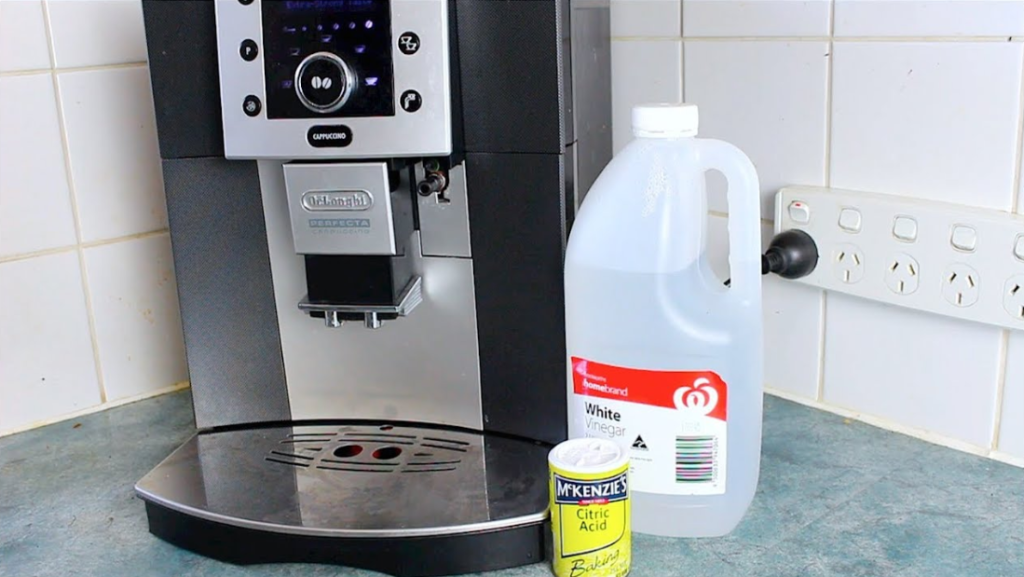
- Add up to 4 cups of undiluted vinegar to the reservoir.
2. Let stand 30 minutes.
3. Run the vinegar through a brewing cycle.
4. Follow with two to three cycles of freshwater until the vinegar smell is gone.
5. And since mold, bacteria and yeast grow in moisture, empty any unused water and leave the lid to the coffee reservoir open to air dry between uses.
6. Vinegar also works great for cleaning single-serve coffee makers made by Keurig, De’Longhi, Lavazzo, or one of the many other brands available.
7. Signs that it may be time to clean your single-serve coffee maker include:
8. Longer than usual time to brew a cup of joe
9. When you expect a full cup of coffee but the brewed batch only fills half of your cup
10. Extra grounds or granules in your brewed cup
11. Any unexpected, moldy, or mildewy smells
12. Mineral build-up on visible parts of the machine
How to clean a coffee maker without vinegar.
If you are a regular coffee drinker, you need a hot cup of your favorite Java in your hand to start your day. Many people let their coffee machine shut down automatically after a few hours, and they put the pot in the dishwasher. While running coffee dishes and other removable ingredients in the dishwasher is an effective way to clean them, there are other parts of the machine that also need attention. Periodically cleaning the coffee maker with vinegar is one way to do this, but it may not be the best option available.
The problem with vinegar as a coffee maker cleaner
A common cleaning method for coffee makers is to run the white vinegar through the system several times before washing with water. Vinegar contains acetic acid, which can remove the accumulation. It will also kill bacteria and mold. This method of cleaning is efficient and inexpensive. However, it can be difficult to wash all the vinegar completely with a coffee maker, so your next few dishes will taste weird. In addition, the acidity of the vinegar can be harsh on your body. Many people also dislike the strong smell of vinegar that spreads in their homes during this process. Other ways to clean a coffee maker may be better.
Clean with lemon juice
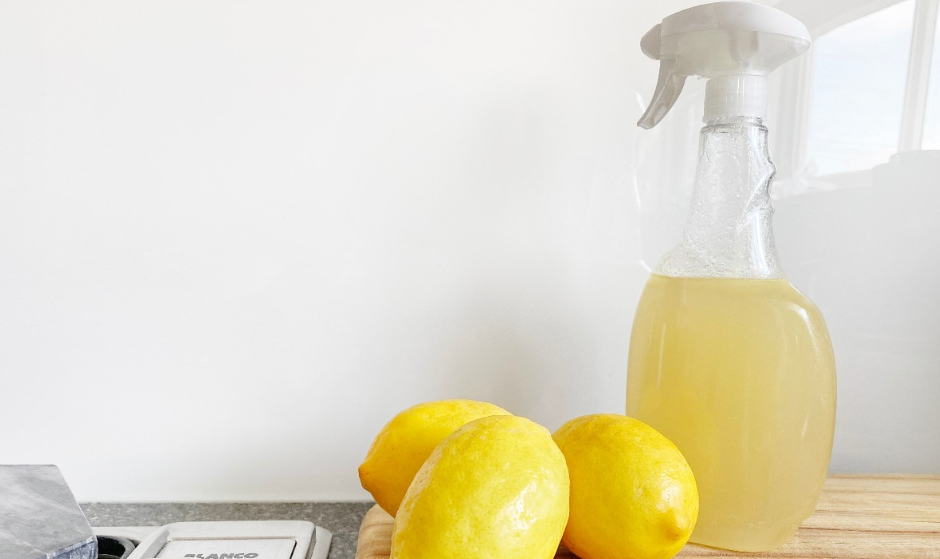
Lemon juice is acidic and has white vinegar-like properties. However, lemon juice has a pleasant aroma and is also cheap. You can get other natural cleansing products from Amazon.
- Stir lemon juice or a little diluted juice directly into the coffee pot as you would if you were doing a deep cleansing with white vinegar.
- Run clean water through the system for several cycles to get the lemon juice out.
Sanitizing with borax
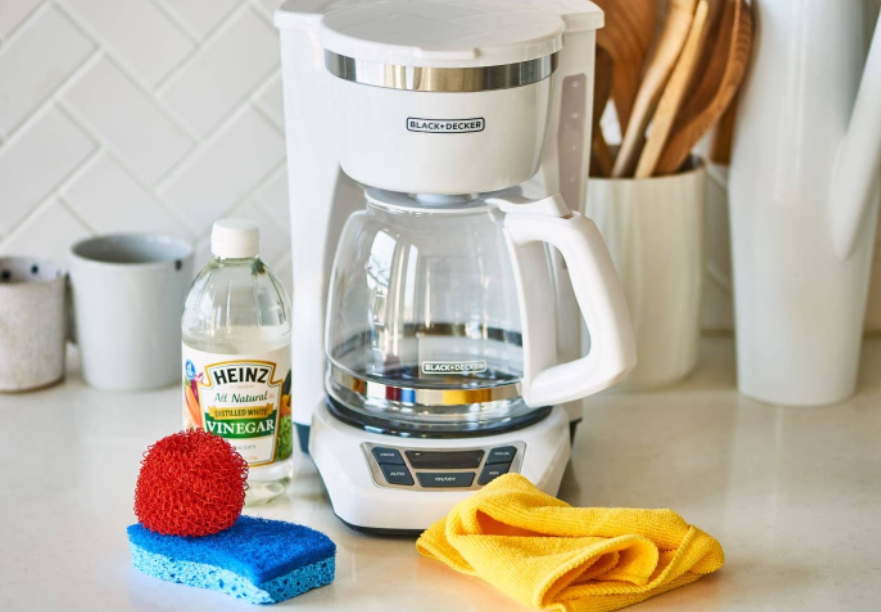
Borax is a multi-purpose cleaner that can be used on washing machines, refrigerators, and even your coffee maker.
- Mix a few tablespoons of borax with a few cups of warm water.
- Run this mixture through a normal or heavy cooking cycle.
- Rinse the system thoroughly by running fresh water through a bicycle.
Signs You Need To Clean Yourself
Wondering if you need to clean your coffee maker? There are definite signs that it is time to do so.
Here are a few.
- Your regular coffee tastes weird.
- It takes longer than usual to make a pot.
- Your coffee maker makes noise but doesn’t make it.
- Your coffee maker is louder than usual.
- Your coffee maker spews coffee everywhere.
How to clean a Keurig coffee maker
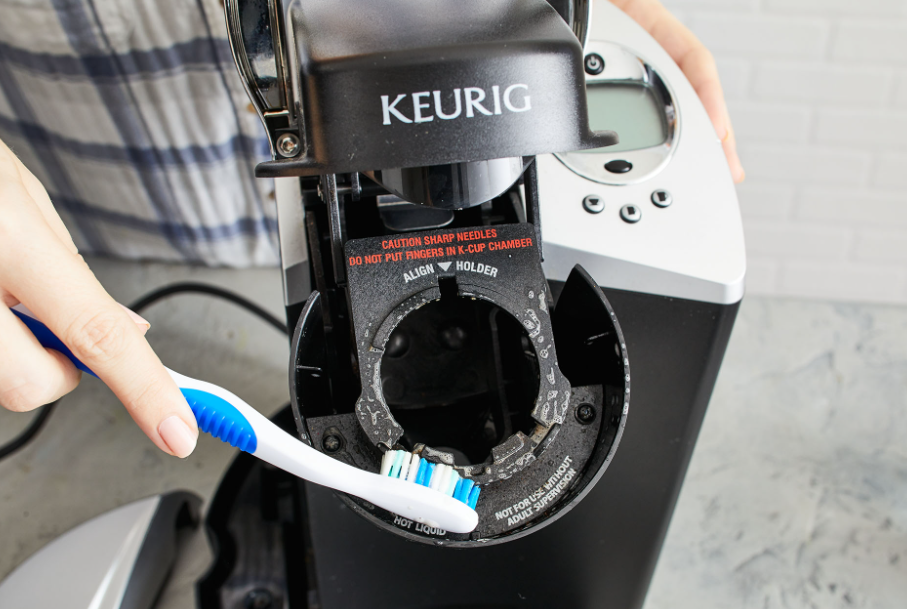
Clearing Cureg is the same as cleaning a normal coffee maker. There are just a few extra things you need to keep in mind.
After using Keurig, immediately remove the empty pod and throw it out. At the end of the day, clean the coffee maker’s body with a damp, soapy cloth and then dry it. Do not immerse your cue in water.
Slide the drip tray and drip tray plate. Clean them with your damp cloth or sponge and dish soap. Rinse well and air dry. Instead, you can wash them in the dishwasher.
Remove the K-Cup pod holder and funnel, and then wash them with a sponge and dish soap. They are also protected by a dishwasher on the top rack.